People who look into shilajit for energy or stamina soon run into other names: creatine, maca and ginseng. They all appear on the same supplement shelves, but they are very different things, so comparing shilajit vs creatine, maca and ginseng only makes sense if you first understand what each one is. Shilajit is a natural mineral resin, creatine is a compound the body already makes and which is sold as a purified powder, and maca and ginseng are plant roots. This guide compares them fairly: what each is, how people use it, what is known about it, and who should be careful. We sell shilajit, but we do not claim it is better than the others. These are supplements, not medicines. For the wider picture, see our guide to shilajit ke fawaid, the benefits of shilajit. Last updated: October 2026.
At a glance: the four compared
The table below describes what each product is and how it is commonly used. It does not describe medical outcomes.
| Shilajit | Creatine | Maca | Ginseng | |
|---|---|---|---|---|
| What it is | Mineral resin from mountain rock | Compound made in the body, sold as a purified powder | Root of a Peruvian plant | Root of the Panax plant |
| Origin | Himalayan and Hindu Kush rock | Made synthetically for supplements | Andes mountains, Peru | East Asia and North America |
| Usual form | Resin, capsules, gummies | Powder, capsules | Powder, capsules | Root, powder, extracts, tea |
| Common reason people take it | Daily energy, stamina, recovery | Gym training and strength work | General vitality and energy | General vitality and mental alertness |
| Taste | Earthy, smoky | Nearly tasteless | Earthy, slightly sweet | Bitter, earthy |
| Main quality concern | Heavy metals and fakes | Purity and added ingredients | Strength and blends | Strength, adulteration and blends |
Shilajit vs creatine
These two are the most different. Creatine is a single, well-defined compound and is one of the most widely studied sports supplements, mainly in relation to short, intense exercise. Shilajit is a complex natural resin whose exact contents vary by batch, and research on it is smaller and earlier. They are not substitutes: creatine is usually taken by people doing structured strength training, while shilajit is traditionally taken as a general daily tonic. Some people use both, but check with a doctor first if you have a kidney condition or take medication, and read our guide on shilajit for stamina, energy and the gym for how people fit shilajit around training.
Shilajit vs maca
Maca is a root vegetable grown in the Andes, sold as a powder or capsules and often described as a vitality food. Shilajit is a mineral resin from rocks. They come from different places and have different compounds, and neither is a drug. People who take maca often do so for general energy or as part of a smoothie, and people who take shilajit usually dissolve it in warm water or milk. The research on both is limited, so be cautious of promises about results.
Shilajit vs ginseng
Ginseng usually means the root of a Panax plant (Asian or American ginseng) and has a long history in East Asian traditional practice. It is often described as an adaptogen, and so is shilajit. In practice they differ: ginseng is a plant extract with plant compounds, and some products are stimulating, while pure shilajit resin contains no caffeine. Ginseng can interact with some medications, so ask a doctor if you take any. If you are weighing shilajit against another traditional tonic, our comparison with ashwagandha follows the same approach.
Can you combine them?
Some people do, but there is no standard guidance, and stacking several supplements makes it harder to tell what is helping or causing a problem. If you want to try more than one, add them one at a time with a few weeks between, and speak to a doctor or pharmacist first if you take medication or have a health condition. Do not stack simply because each is popular.
Which one should you choose?
It depends on your goal. If you do heavy strength training, creatine is the one with the clearest track record for that purpose. If you want a single-ingredient mineral resin taken with warm milk or water as part of a daily routine, shilajit may suit you. If you prefer a plant root in powder or capsule form, maca or ginseng may. None replaces sleep, food and exercise, and none is a treatment for any condition. Before buying shilajit, use our buyer's guide to check lab reports and ingredients.
Who should be careful?
For all four, speak to a doctor first if you are pregnant or breastfeeding, under 18, taking regular medication, or managing a health condition. With shilajit, quality is the extra concern, because unpurified resin can carry heavy metals. Our guide to side effects explains the risks in plain terms.
About Chitrali Shilajit
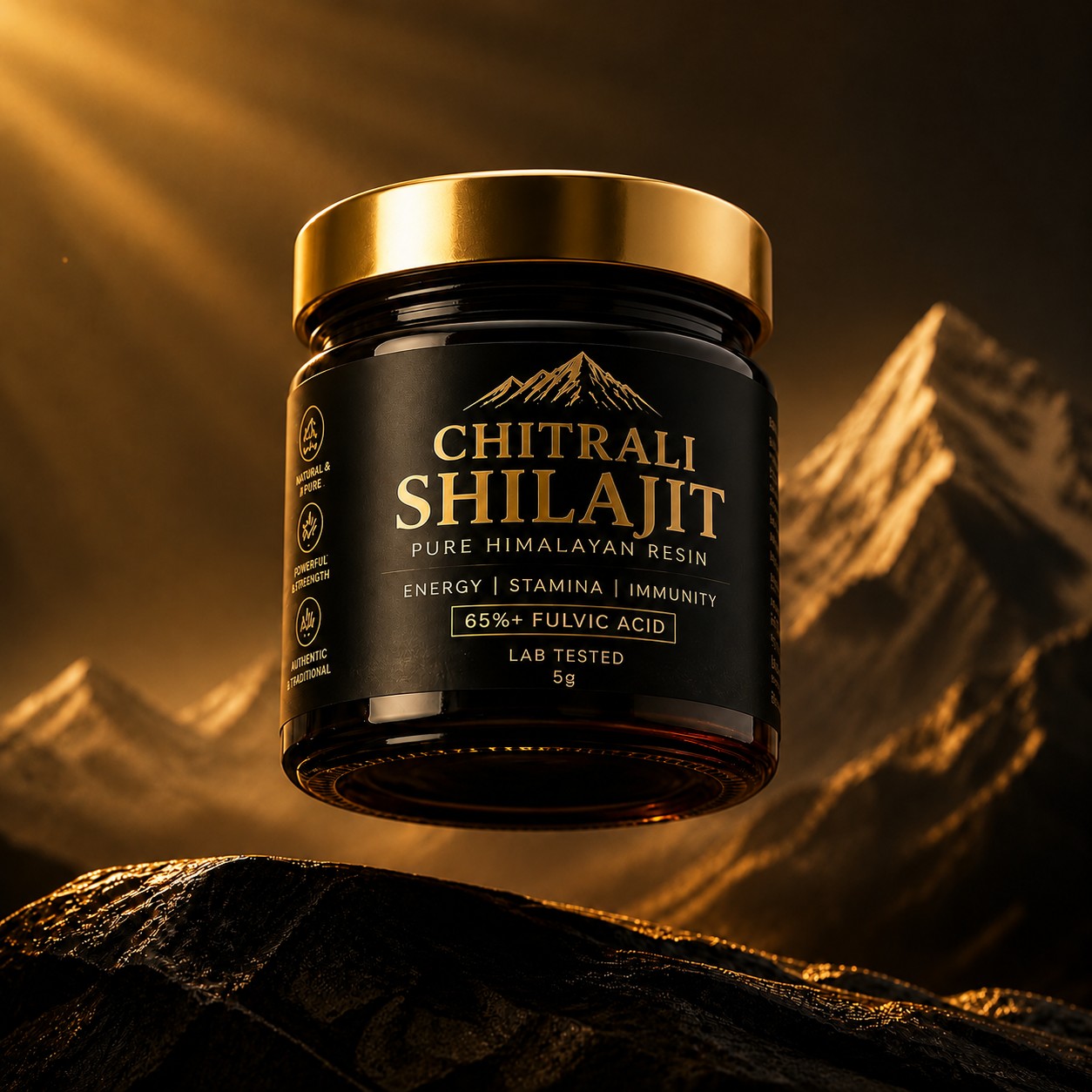
We sell one product: a 5g jar of 100% pure shilajit resin at Rs. 1,999, with no fillers or additives. It is 65%+ fulvic acid, and our resin was lab-tested by PCSIR in July 2025, with lead, cadmium and arsenic not detected. We offer cash on delivery across Pakistan. We do not sell creatine, maca or ginseng. You can view the product page or browse the shop.
Frequently asked questions
Is shilajit better than creatine?
They are different products used for different reasons. Creatine is a well-studied compound often used for strength training, while shilajit is a natural mineral resin taken as a general daily tonic. Neither replaces the other.
Can I take shilajit with creatine?
Some people do, but ask a doctor or pharmacist first, especially if you have a kidney condition or take medication.
What is the difference between maca and shilajit?
Maca is a plant root from the Andes, while shilajit is a mineral resin from mountain rock. They come from different sources and contain different compounds.
Is shilajit the same as ginseng?
No. Ginseng is a plant root extract, and some ginseng products are stimulating. Pure shilajit resin is a mineral resin and contains no caffeine.
Related guides
Shilajit Benefits: full guideShilajit Uses: What Is Shilajit Used For?
What is shilajit used for? The traditional uses, how people take it today, which form suits which routine, and who should check with a doctor first.
Shilajit Benefits for Women: A Practical, Honest Guide
How women traditionally use shilajit for daily energy and wellness, what to be careful about, and how to choose a pure, lab-tested resin.
Shilajit for Stamina, Energy and the Gym: What to Expect
How people use shilajit for stamina, energy and workout recovery, a simple routine, and an honest look at what it can and cannot replace.
Next guide: Shilajit Dosage Per Day: How Much Should You Take?
Chitrali Shilajit is a dietary supplement and is not intended to diagnose, treat, cure, or prevent any disease. Individual results may vary. Consult a healthcare professional before use, especially if you have any pre-existing medical conditions.