Shilajit and ashwagandha are both traditional tonics from South Asia, and both are often called adaptogens. They are also very different things, which is why people search for shilajit vs ashwagandha before deciding. Shilajit is a natural mineral resin from mountain rock, and ashwagandha is the powdered root of a shrub. This guide compares them fairly: what each one is, how it is traditionally used, the forms you can buy, what the research looks like, and who should be careful. We sell shilajit, but we do not claim one is better, because the right choice depends on you. Both are supplements, not medicines. For the bigger picture, start with our guide to shilajit ke fawaid, the benefits of shilajit. Last updated: October 2026.
Shilajit vs ashwagandha at a glance
The table below puts the two side by side. It describes traditional use and common product facts, not medical outcomes.
| Shilajit | Ashwagandha | |
|---|---|---|
| What it is | Mineral resin that seeps from high-altitude rock | Root of a plant (Withania somnifera) |
| Traditional system | Ayurveda and Unani, as a rasayana tonic | Ayurveda, as a rasayana tonic |
| Key compounds | Fulvic acid, humic acid, trace minerals | Plant compounds called withanolides |
| Common forms | Resin, capsules, gummies, drops | Powder, capsules, tablets, extracts |
| Taste | Strong, earthy, smoky | Bitter, earthy |
| Typical reasons people take it | Energy, stamina, recovery, focus | Stress resilience, calm, sleep routine, general vitality |
| Main quality concern | Heavy metals in unpurified resin and fakes | Extract strength and added ingredients |
What is the difference between shilajit and ashwagandha?
The biggest difference is origin. Shilajit is a mineral-organic resin formed over centuries from compressed plant matter and minerals, and it is collected from rock. Ashwagandha is grown as a crop, and its root is dried and powdered. That gives them different compounds and different quality risks. With shilajit, you worry about purification and heavy metals. With ashwagandha, you worry about extract strength and what else is in the capsule.
Traditional uses: where they overlap
Both belong to the rasayana tradition, meaning tonics taken to rebuild strength and resilience. Both are described as adaptogens, a traditional word for something taken to help the body adjust to everyday physical and mental strain. In practice, shilajit is more often discussed for energy and stamina, and ashwagandha more often for stress and calm. These are broad tendencies, not rules, and neither is a treatment for any condition. For what shilajit is traditionally used for, see our uses guide.
What does the research say?
Ashwagandha has generally been studied more widely in human trials than shilajit, mostly small to medium studies, and shilajit research is still earlier and smaller. For both, results vary and more good-quality research is needed. For that reason we avoid promising outcomes for either one. If a seller claims either product is clinically proven to fix a condition, ask to see the study.
Can you take shilajit and ashwagandha together?
Some people take both, but this is a question for a doctor or pharmacist, especially if you take medication or have a thyroid, blood sugar, blood pressure or other health condition. It is better to introduce one at a time so you can tell how you respond to each. Do not stack supplements simply because they are traditional.
Who should be careful?
For both products, speak to a doctor first if you are pregnant or breastfeeding, under 18, taking regular medication, or managing a health condition. With shilajit, the extra concern is purity: unpurified resin can carry heavy metals, so choose a product with an independent lab report. Read our guides on side effects and on spotting real shilajit for the details.
Which one should you choose?
Neither is better for everyone. Shilajit may suit you if you want a single-ingredient resin to take with warm water or milk and you want to check purity through a lab report. Ashwagandha may suit you if you prefer a plant root in a capsule or powder and care more about calm than energy. The best choice is the one you will take consistently and that your doctor is comfortable with. If you pick shilajit, our buyer's guide lists what to check before you buy.
About Chitrali Shilajit
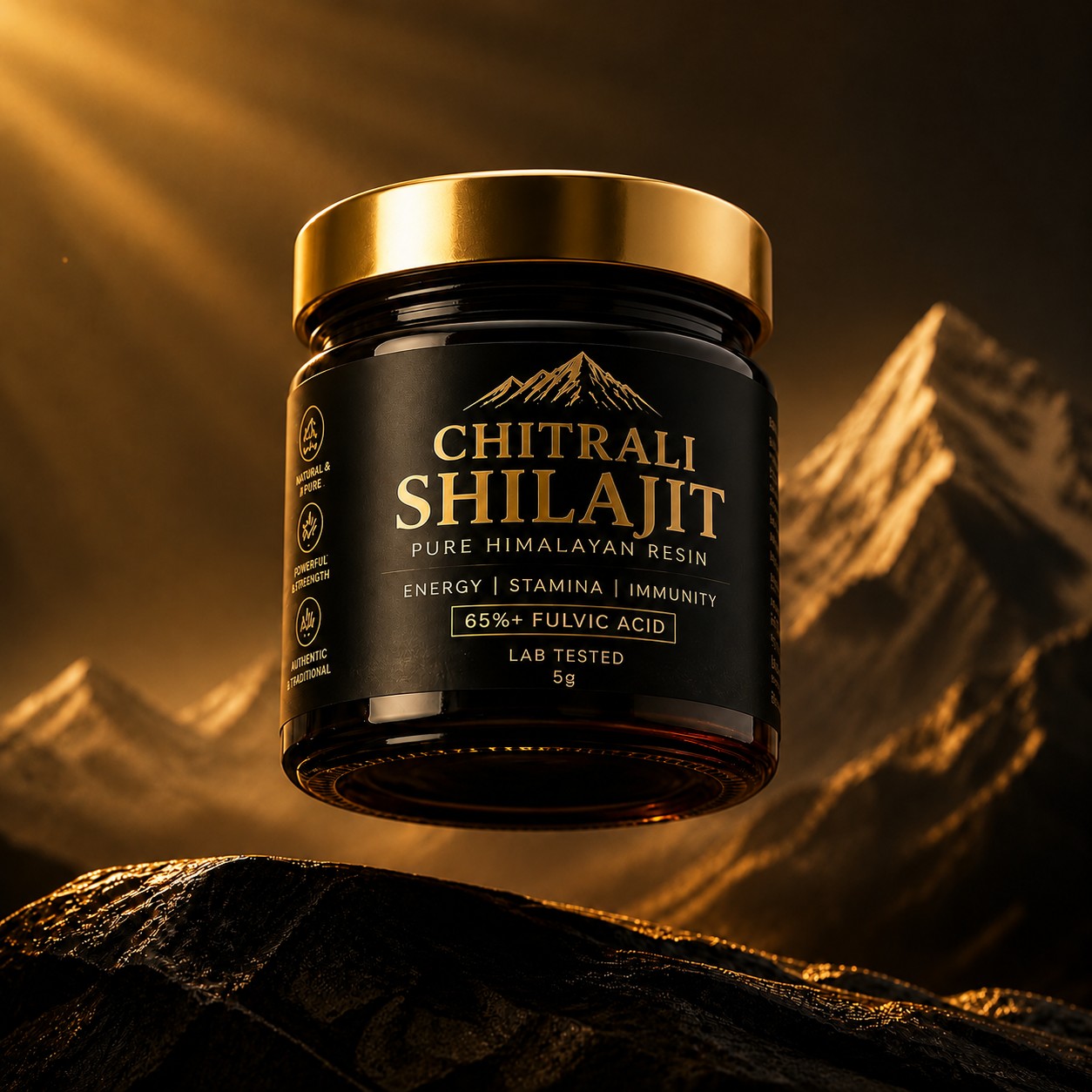
We sell one product: a 5g jar of 100% pure shilajit resin at Rs. 1,999, with no fillers or additives. It is 65%+ fulvic acid, and our resin was lab-tested by PCSIR in July 2025, with lead, cadmium and arsenic not detected. We offer cash on delivery across Pakistan. We do not sell ashwagandha. You can view the product page or browse the shop.
Frequently asked questions
Is shilajit better than ashwagandha?
Neither is better for everyone. They are different things: shilajit is a mineral resin and ashwagandha is a plant root. The right choice depends on your goals, your health and what your doctor advises.
Can I take shilajit and ashwagandha together?
Some people do, but ask a doctor or pharmacist first, especially if you take medication or have a health condition. Introduce one at a time to see how you respond.
What is the difference between shilajit and ashwagandha?
Shilajit is a natural mineral resin from mountain rock containing fulvic acid and trace minerals. Ashwagandha is the dried root of a shrub containing plant compounds called withanolides.
Are shilajit and ashwagandha adaptogens?
Both are traditionally described as adaptogens, meaning tonics taken to help the body adjust to everyday strain. This is a traditional term, not a medical claim.
Related guides
Shilajit Benefits: full guideShilajit Uses: What Is Shilajit Used For?
What is shilajit used for? The traditional uses, how people take it today, which form suits which routine, and who should check with a doctor first.
Shilajit Benefits for Women: A Practical, Honest Guide
How women traditionally use shilajit for daily energy and wellness, what to be careful about, and how to choose a pure, lab-tested resin.
Shilajit for Stamina, Energy and the Gym: What to Expect
How people use shilajit for stamina, energy and workout recovery, a simple routine, and an honest look at what it can and cannot replace.
Next guide: Shilajit Dosage Per Day: How Much Should You Take?
Chitrali Shilajit is a dietary supplement and is not intended to diagnose, treat, cure, or prevent any disease. Individual results may vary. Consult a healthcare professional before use, especially if you have any pre-existing medical conditions.